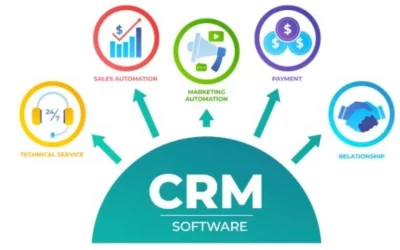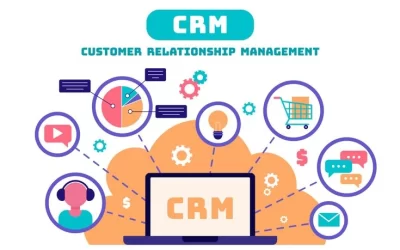
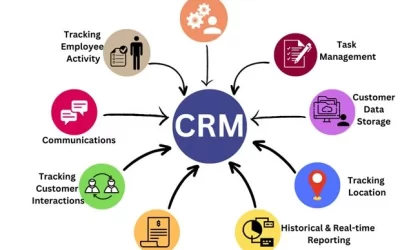
As customer expectations continue to rise, businesses must rely on smarter tools to manage relationships effectively. In 2025, Customer Relationship software is no longer just about storing contact details it’s about creating personalized experiences, automating sales, and driving long-term growth.
Whether you’re a startup or an enterprise, here are the top 7 features every CRM software must have in 2025 to stay ahead of the curve
1. AI-Powered Insights and Automation
Artificial Intelligence is redefining CRM functionality. The latest CRM platforms must be capable of analyzing customer data and offering predictive insights. Features like automated follow-ups, lead scoring, customer sentiment analysis, and smart recommendations help sales teams focus on what matters most closing deals and nurturing relationships.
2. Unified Omnichannel Communication
Modern customers interact via multiple channels email, chat, phone, social media, and web portals. A powerful CRM must unify all these communication streams into one platform, offering a holistic customer view. This ensures consistent engagement and quicker response times across all touchpoints.
3. Customizable Dashboards and Real-Time Analytics
In 2025, data-driven decision-making is vital. CRM tools must offer customizable dashboards and real-time analytics to help businesses track performance, monitor sales pipelines, and evaluate customer behavior. Smart visual reports empower teams to make informed and agile decisions.
4. Mobile-First Experience
With mobile devices becoming essential tools for remote work, CRM software must offer a seamless mobile experience. Teams should be able to update records, view interactions, schedule meetings, and respond to leads all from their smartphones or tablets, anytime and anywhere.
5. Strong Data Privacy and Compliance Features
Data privacy is a major concern in 2025. Any CRM system must adhere to global data protection regulations like GDPR and CCPA. Features like role-based access control, data encryption, consent tracking, and audit logs are critical to maintain customer trust and legal compliance.
6. Seamless Integration with Other Tools
A modern CRM should integrate effortlessly with other business tools like marketing automation platforms, e-commerce systems, email clients, and accounting software. API support and app marketplaces allow businesses to build a connected ecosystem and streamline their workflows.
7. Scalable and Fully Customizable Architecture
Every business has unique workflows, and CRM software must adapt to these needs. The ideal CRM should offer drag-and-drop customization, scalable architecture, and flexible modules that can grow as your business expands, without requiring costly overhauls.
Final Thoughts
In 2025, CRM software is the backbone of successful customer engagement strategies. To remain competitive, businesses must invest in platforms that offer not just features but meaningful, intelligent capabilities. The seven features listed above are essential for any CRM solution that aims to deliver real value in the modern market.
If your CRM lacks any of these essentials, it might be time to explore smarter options that align with the future of business.