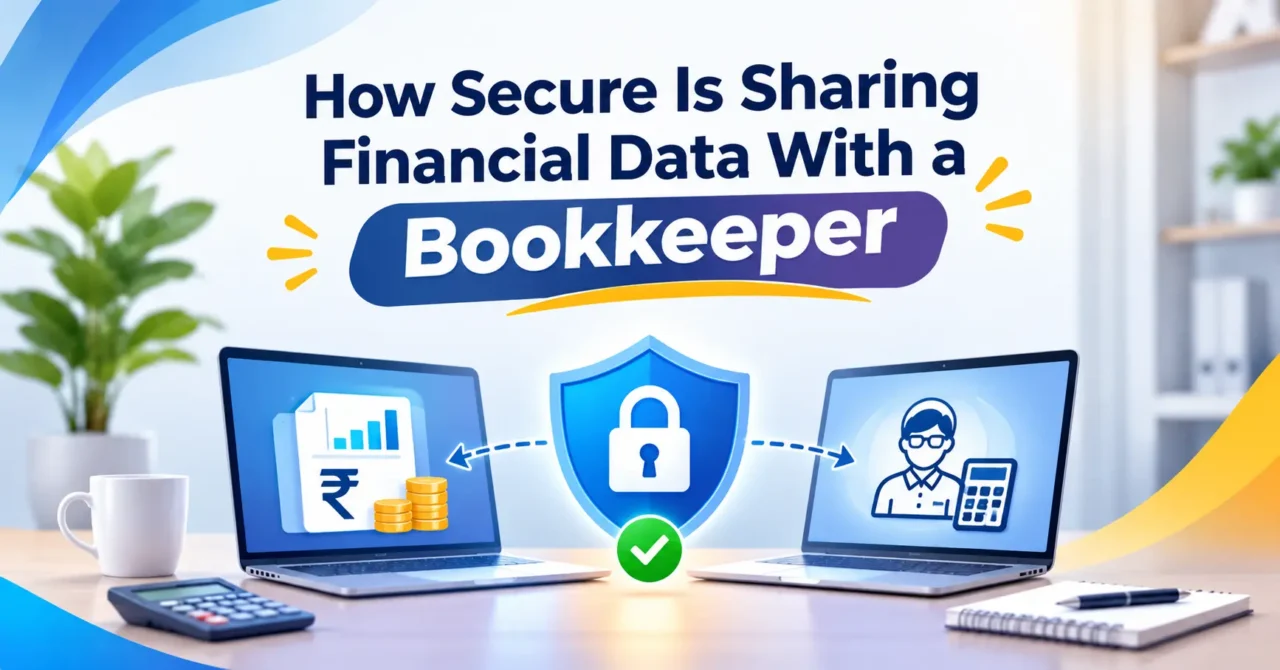
Sharing financial data is an important part of managing business accounts. Bookkeepers will need access to financial data including invoices, bank statements and transaction information to ensure that your records are kept up to date and accurate. However, many business owners may be concerned about keeping their financial information safe.
The good news is that by taking the correct precautions and measures you can keep your financial data secure. Knowing how to avoid risks and choosing a reliable bookkeeper will help keep your business data safe.
Why Does a Bookkeeper Need Access to Financial Data?
Bookkeepers will have various responsibilities related to financial data. This will include:
-
Recording daily financial transactions.
-
Managing your invoices and payments.
-
Tracking your business’ expenses and income.
-
Bank statement reconciliation.
-
Organizing financial documents.
-
Preparing financial reports for business owners.
By having access to the correct financial data your bookkeeper will be able to keep your records in order and will reduce any errors within your accounts. Only provide your business with the information required to complete the bookkeeping tasks.
What Are the Security Risks of Sharing Financial Information?
When sharing financial data, if your businesses use insecure communication channels or you’re using a questionable provider then there can be some risks.
Common risks include
1. Unauthorized Access:
If you use weak passwords or share your login details, these can be accessed by unauthorized people.
2. Data Theft:
If you send documents via unsecured emails or public networks, then they could be accessed by cyber criminals.
3. Accidental Data Exposure:
If you send them to the wrong person or store them in public folders, then your business information may be exposed.
4. Phishing Attacks:
If they receive fake emails and messages they could be tricked into providing their password along with sensitive financial information.
How to Share Financial Data Securely With a Bookkeeper
Within your business, there are some simple steps you can take.
1. Choose a Trusted Bookkeeping Professional:
Check that your bookkeeper has experience and good reviews with references. How do they handle confidential information?
2. Use Secure File-Sharing Platforms:
Share your financial documents using trusted file sharing platforms which use encryption.
3. Set Limited Access Permissions:
Only give them access to the accounts, folders and the financial information they need.
4. Enable Multi-Factor Authentication:
Use multi-factor authentication (MFA) for added security.
5. Sign a Confidentiality Agreement:
A written confidentiality agreement will help give you an understanding of how they will keep your information safe.
6. Review Access Regularly:
Keep an eye on who has access to your financial documents and remove access once they no longer have bookkeeping responsibilities.
Is it safe to use an online bookkeeper?
Yes, online bookkeepers can be a safe option for your business. Remote bookkeepers will not need any physical access to your business’ financial data.
Before sending any sensitive information you should also ensure that they have good data security policies, secure access methods, back-up processes and communication methods.
Frequently Asked Questions
1. Is it safe to give a bookkeeper access to my bank statements?
As long as you’re working with a trustworthy bookkeeper and using secure methods to share your statements then yes. Don’t share banking details unless necessary.
2. What financial information should I share with my bookkeeper?
Any relevant bank statements, invoices, receipts, expense records, payments and transaction reports.
3. Can a bookkeeper access my bank account?
They may have access to your account, however this will be with limited access that has been approved by your bank. Don’t share your main banking password or OTP.
4. How do bookkeepers protect confidential financial information?
Responsible bookkeepers will store your information securely, with encryption, strong passwords, multi-factor authentication and limited access.
5. Should I sign an agreement before sharing financial data with a bookkeeper?
Yes, having a written agreement on what services they are providing plus a confidentiality clause will help clarify what they should be doing with your data.
6. What should I do if my financial information is shared without permission?
If any banking information has been shared contact your bank/financial institution. Make sure all accounts are secured, change any passwords that may have been compromised, remove any unauthorized access. Investigate the issue.
Conclusion
Using a bookkeeper to handle your financial data doesn’t have to put your business at risk. If you hire a trustworthy professional and ensure secure file sharing, limited access and good confidentiality, you’ll be able to keep your financial data safer. Only provide them with the necessary information and be sure to regularly check how you’re handling your financial data.